Links

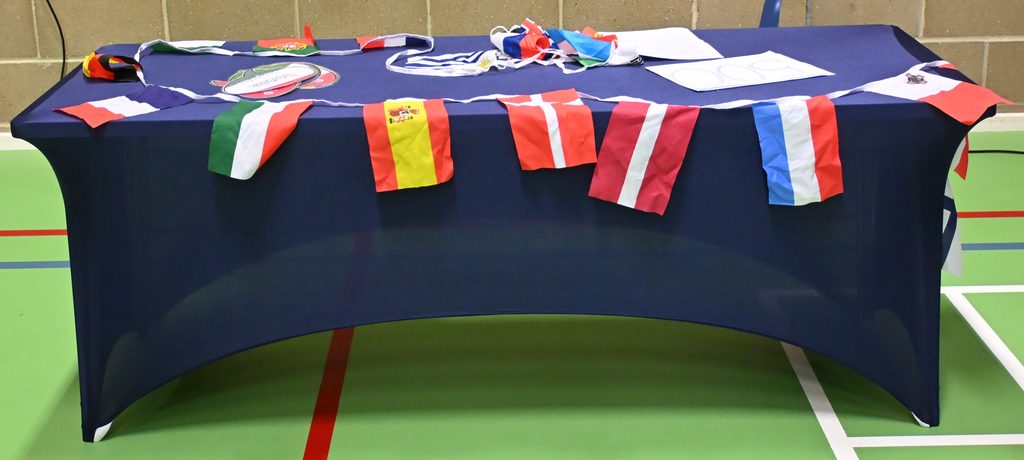
Littlegarth has been a riot of colour today as children and staff came in in national costumes or dressed in the colours of a flag from a country of their choice. In every classroom, different languages could be heard as we celebrated the European day of Languages.
We asked the Year 5 children why we should learn another language. Here are their thoughts:
At Littlegarth, all of the children learn French with a specialist teacher from Nursery through to the end of Year 6. This French learning journey builds up to the Year 6 residential trip to France where the children get to use their French in real-life situations by ordering food at the market, learning about animals at a local farm and listening to a presentation about how chocolates are made at the chocolate factory (always a firm favourite on the itinerary!).
When our children reach Year 5, they also start to learn German and Latin, again with specialist teachers. These lessons help our pupils to understand other languages and cultures while also helping them to deepen their understanding of the English language by making links between languages and understanding the roots of the English words and spelling system.
We asked some of our Year 2 children what they think happens to their brains when they learn another language. Here are some of their answers:
Those Year 2 children are absolutely right. There is a wealth of research around how language learning impacts neurological development. In a meta-analysis of studies examining language learning and its impact, 90% of studies showed that children who learn foreign languages perform better across a range of academic subjects, but particularly in English, Maths and Science. Language learning also increases neuroplasticity, engaging memory skills and helping children to memorise things in other subjects as well as in the new language, increases communication skills, creativity and empathy. All skills which we value highly at Littlegarth.
Many children don’t get the opportunity to learn languages from specialist teachers until they reach secondary school. The research around how learning other languages improves attainment in English shows that there are two key groups where this has the most impact. The first is primary aged children, where English scores are impacted more by Latin learning than they are in secondary aged children, and the second group is children who find spelling challenging. It is thought that this is because Latin is more phonetically regular than English and so learning the spellings of root words can help children to transfer those spelling patterns across to English. We are so lucky at Littlegarth that our children have the opportunity to learn languages and develop a love for them from when they are very young.